A Happy House gardener tending vegetables in a greenhouse
Caring for ourselves and our planet

Sustainability at Happy House

From greenhouse vegetables and Waste Warriors to solar lights and weekly yoga, looking after people and planet is part of everyday family life at Happy House in Watamu.

Six greenhousesVegetables straight to our kitchen
Waste WarriorsSorting, reusing and beach cleans
Solar lightingIn our dining and community room
Sunday yogaA free weekly online class
What sustainability means to us

Good for People and Good for the Planet

At Happy House, sustainability isn’t a separate project. It is how we look after the children, our neighbours and the world around us.

It means growing food in our own gardens, reusing and recycling what we can, using the sun’s energy, and helping every child look after their mind as well as their surroundings.
For the planetGrowing food, cutting waste and cleaning our beaches.
For ourselvesYoga, mindfulness and healthy meals for a big family.
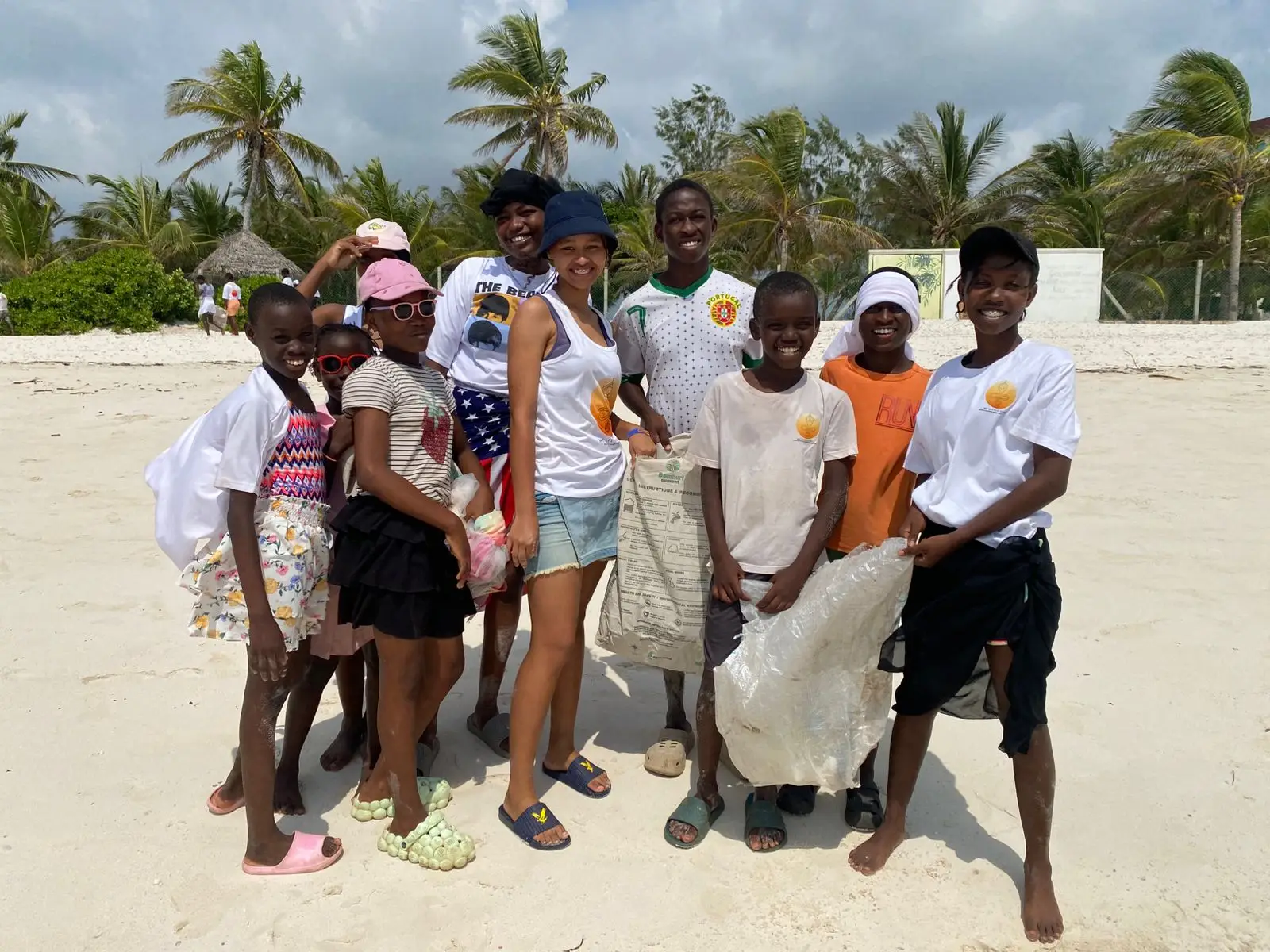
Happy House children and volunteers after a beach clean in Watamu
Our Waste WarriorsCaring for Watamu’s beaches
Our projects

Four Ways We Live Sustainably

Real projects, led by our team and our children, and funded by supporters who care.

The Happy House gardener standing among young vegetable plantsThomas, one of our gardeners, in the Happy House gardens
Growing our own food

Growing Our Own Food

Six greenhouses and our gardens grow vegetables that go straight to the Happy House kitchen, just a few metres from garden to table. It means fresh, nutritious meals for our big family and less food to buy.

Our gardener and outdoor team keep the soil healthy with manure and topsoil, so we can grow for longer.
  • Greens such as mchicha, packed with vitamins and minerals
  • Our goats help children learn about responsibility, animal care and farming
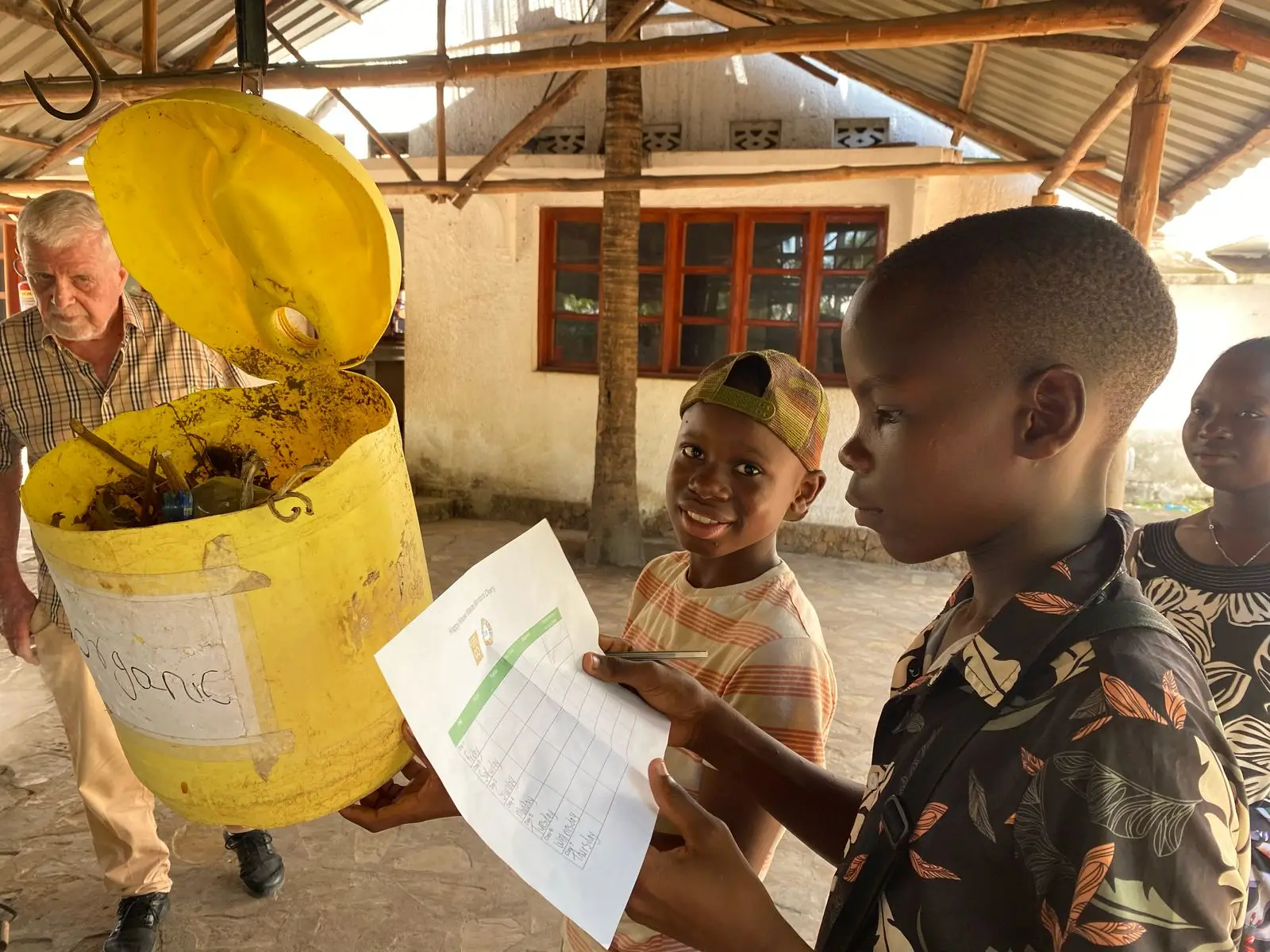
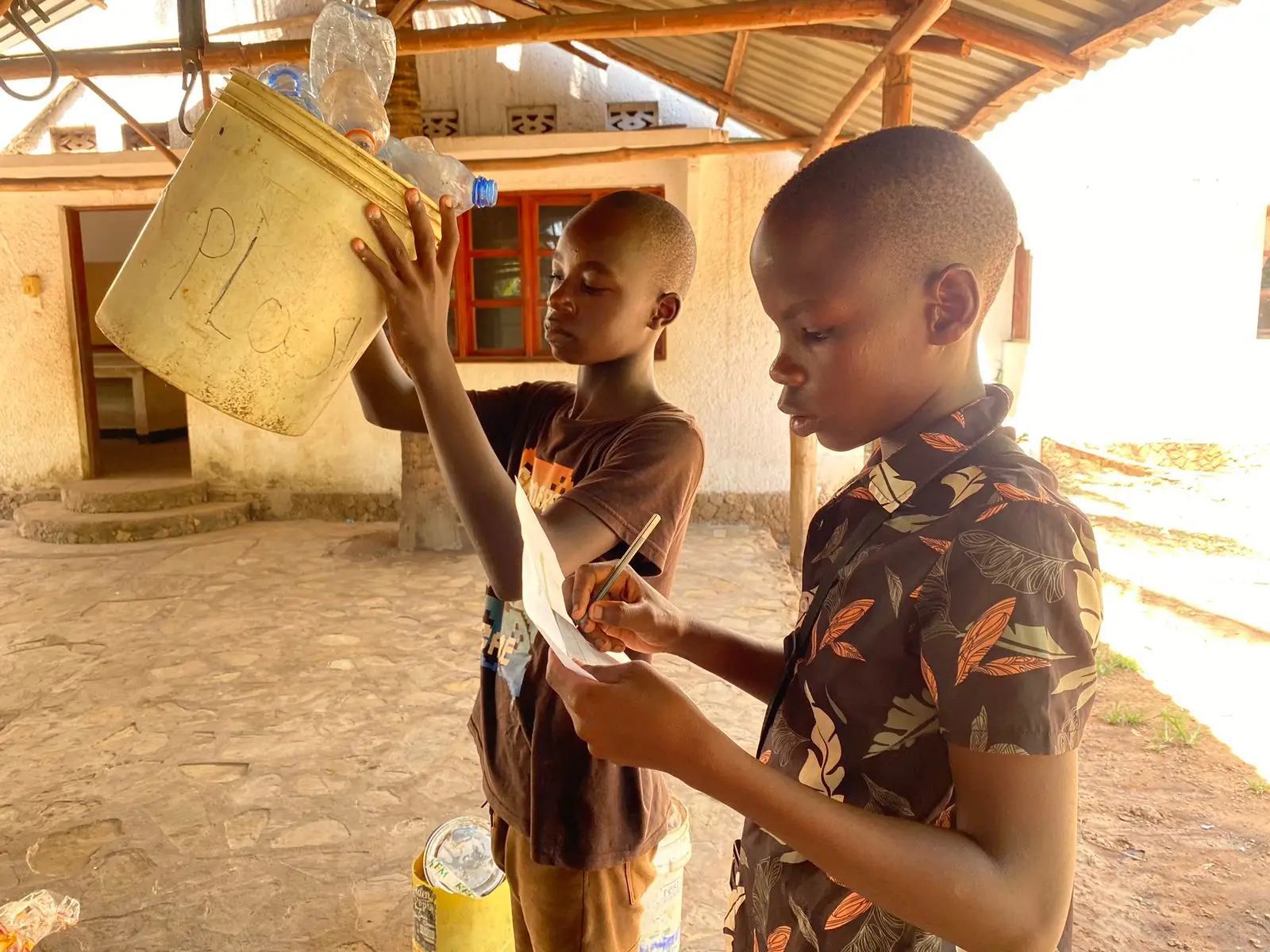
Happy House children sorting and weighing wasteChildren weighing waste at Happy House
Waste Warriors

Our Waste Warriors

Our Waste Warriors are children who look after their home and environment. With the My Little Zen programme they spent a month sorting, weighing and recording their daily waste: paper, plastic, glass, organic and non-recyclables.

They have also cleaned local beaches, turned bottle tops and cartons into art, and taken the message into school.

  • Learning about the UN Sustainable Development Goals
  • Weekly online lessons in recycling and creative reuse
  • Beach cleans to tackle plastic pollution
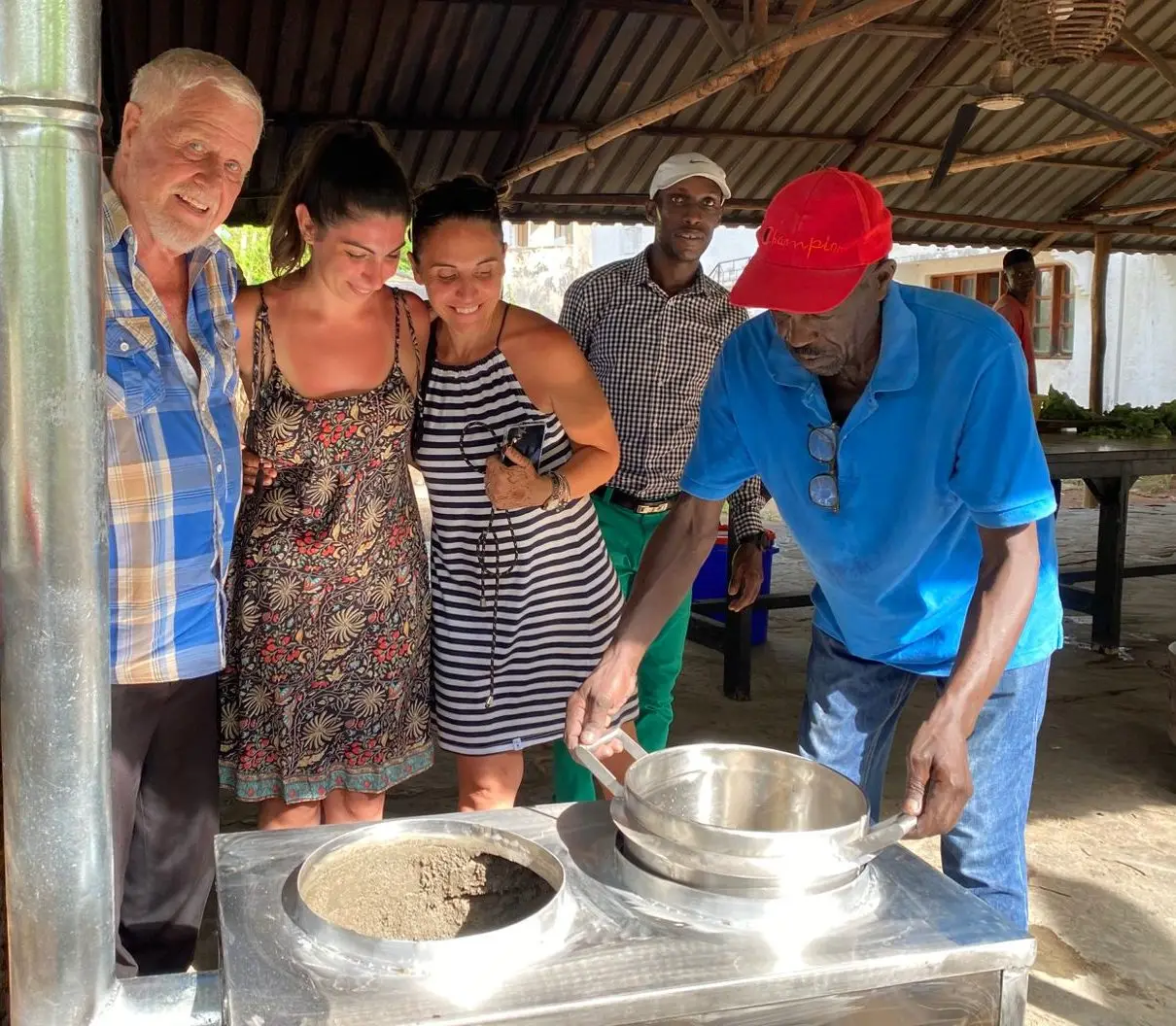
The Happy House dining and community room, now lit by solar lightsVisitors and cooks with the new energy-saving stove
Clean energy

Clean Energy and Greener Cooking

Power cuts are common in Watamu. Eight solar-powered lights, donated and installed by Sun King, now brighten our dining and community room, where about 55 children eat, play and do homework every day.

An energy-saving stove, funded by friends in Italy, uses far less charcoal or wood and gives off less smoke. At Happy House School, Grade 5 pupils have also been building a fireless cooker.

  • Reliable light for evening homework
  • Less fuel and less smoke in the kitchen
Children practising yoga on mats at Happy HouseA Happy House boy beside the growth mindset display
Wellbeing

Looking After Ourselves

Sustainability is about people too. Every Sunday afternoon the children can join a free, live online yoga class, provided by the not-for-profit My Little Zen, to unwind after a busy school week.

Online mindfulness sessions with a personal development coach give them practical ways to handle stress and stay positive. A growth-mindset display in our yoga room reminds everyone that mistakes are part of learning.

  • Helps children relax, focus and feel calm and confident
  • Builds strength, flexibility and healthy habits
Global Goals

Connecting to the Sustainable Development Goals

The 17 UN Sustainable Development Goals are a worldwide plan for a fairer, more sustainable future. Our children have learned about them in lessons, and much of what we do connects to them.

2

Zero hunger

Growing vegetables for our own kitchen.

3

Good health and wellbeing

Nutritious meals, yoga and mindfulness.

4

Quality education

Hands-on learning in science, recycling and growing.

7

Clean energy

Solar lighting and an energy-saving stove.

Studied by our Waste Warriors12

Responsible consumption

Sorting waste, reusing materials and recycling.

Studied by our Waste Warriors13

Climate action

Understanding how daily choices affect our planet.

Goals 12 and 13 are the focus of our Waste Warriors lessons. The others show how our wider work connects. Happy House is not affiliated with the United Nations.Explore the Global Goals →
Good to know

Sustainability at Happy House: Your Questions

What does sustainability mean at Happy House?

It means caring for people and the planet together. We grow food in our own gardens, reduce and reuse waste, use solar and energy-saving technology, and support the children’s wellbeing through yoga and mindfulness.

What are the Waste Warriors?

The Waste Warriors are Happy House children who look after their home and environment. They sort and weigh waste, reuse materials, join beach cleans and share what they learn at school.

Does Happy House grow its own food?

Yes. Six greenhouses and our gardens grow vegetables that go straight to the Happy House kitchen, which reduces how much food we need to buy.

How does Happy House connect with the SDGs?

Our children have learned about the UN Sustainable Development Goals in lessons, especially Responsible Consumption and Production (Goal 12) and Climate Action (Goal 13). Our wider work also connects to goals on hunger, wellbeing, education and clean energy.

Can I see these projects when I visit?

Visits are arranged in advance and fit around the children’s routines. Our team will be happy to tell you about our gardens and green projects. Find out about visiting Happy House.

Come and see

See Our Green Projects for Yourself

If you’re in Watamu, we’d love to share our story and show you around. Visits are arranged in advance.